
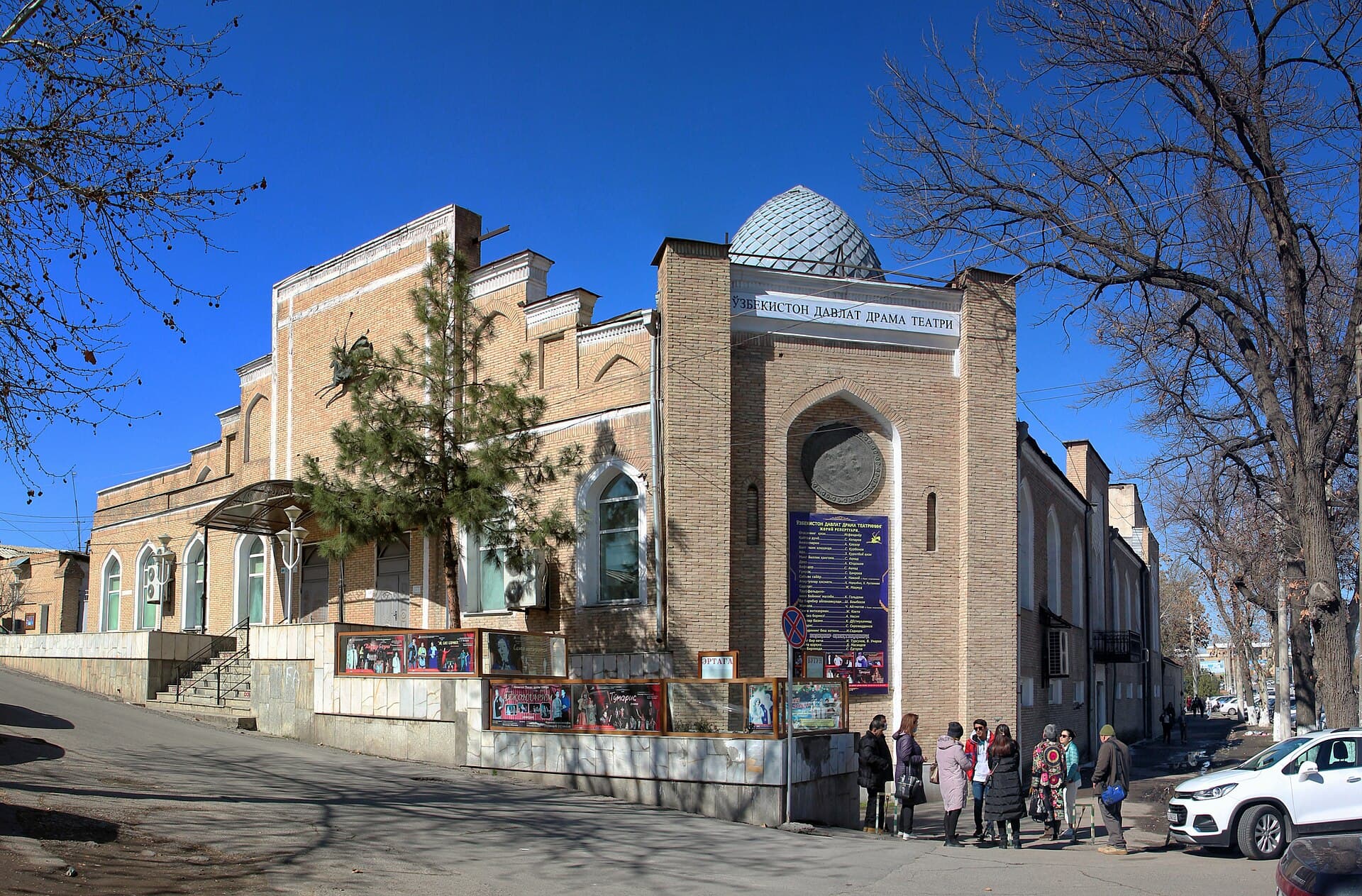
The beautiful and distinctive theater building at the intersection of Zarkaynar and Gulbazar streets is considered to have been built in 1927, but there is information that it was erected as early as 1905 by a wealthy man named Saidkarimbay.
The facade was once plastered but is now faced
with brick. The auditorium seats 250 spectators. The side walls are decorated
with pointed arches made of carved ganch, resting on carved pilasters with
pomegranate motifs on the capitals.
The building’s original purpose was the Old City
People’s Cultural House. Starting in 1929, the Hamza Uzbek Drama Theater began
operating there. Party meetings, rallies, and other events were also held in
the same building.
In 1968, the Hamza Theater moved to a new
building on Navoi Street, and the “Young Guard” theater opened here.
After independence, the theater was named after
Abror Hidoyatov, and since 2016, it has been called the State Drama Theater of
Uzbekistan.
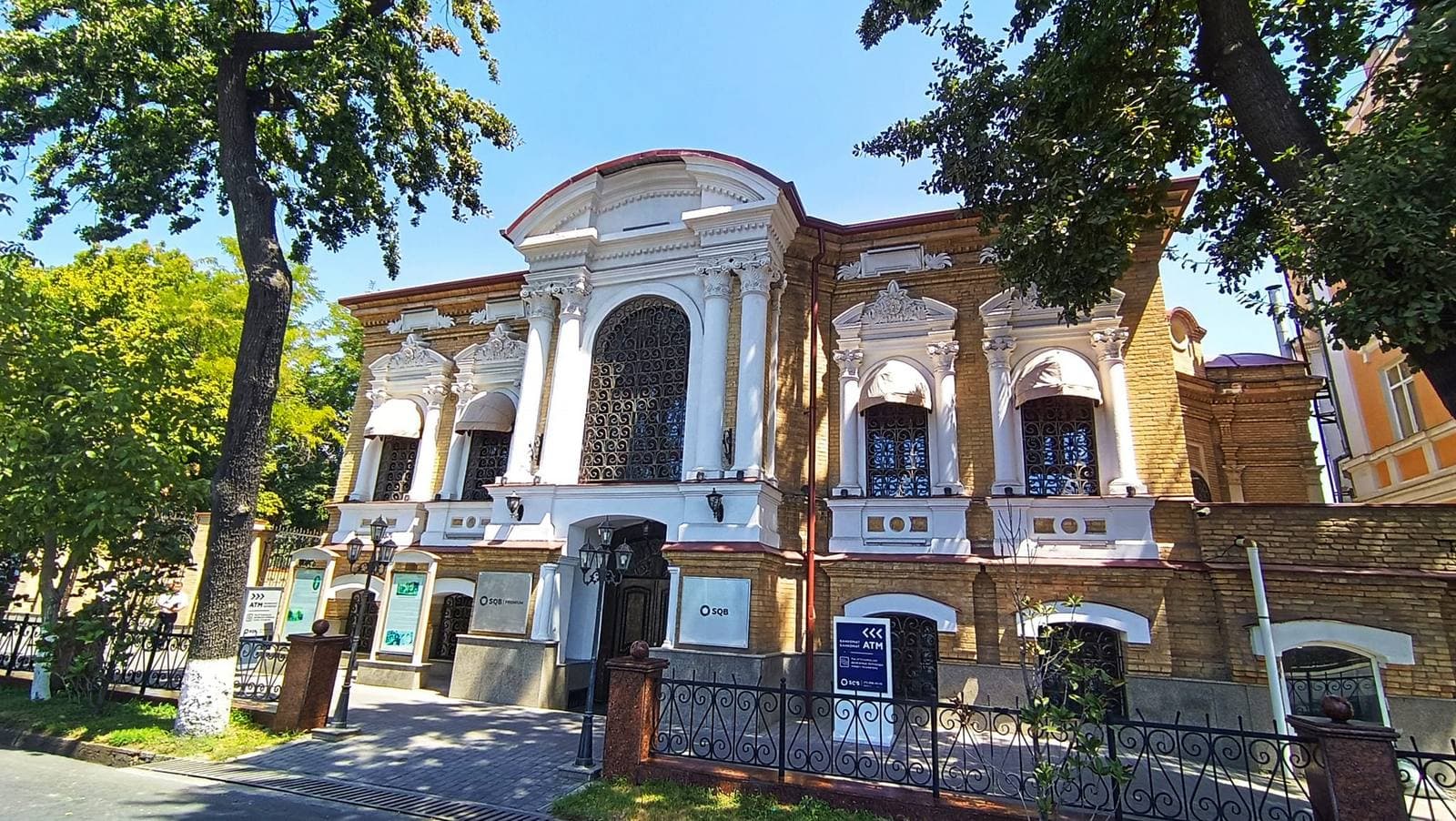
The beautiful building on the Square was constructed in 1895 by architect V. S. Heinzelman and was ...
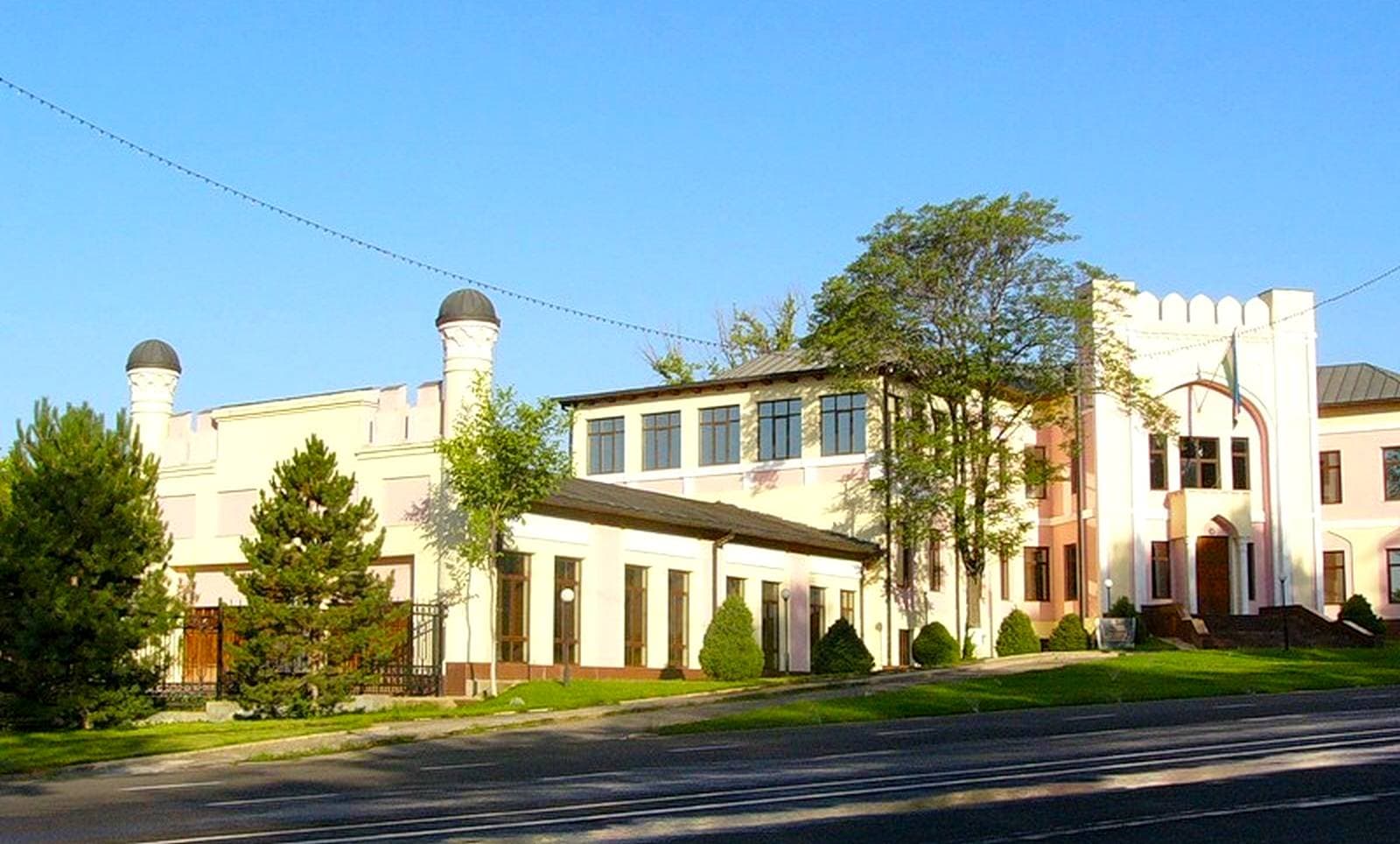
Tashkent residents are familiar with the beautiful building of unusual architecture featuring Easte...
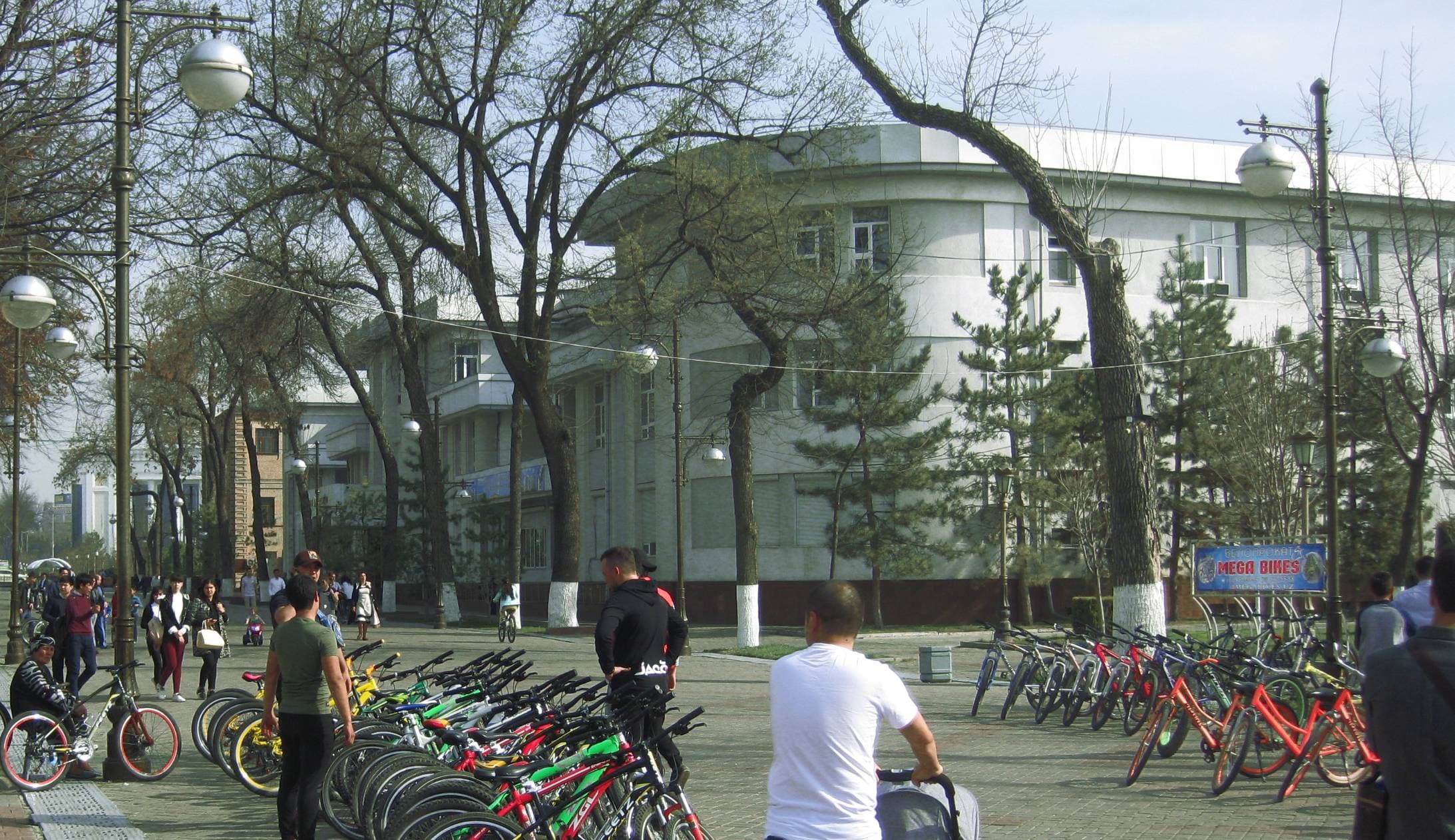
The well-known building on Broadway (Sayilgoh Street) in Tashkent, which now houses the Ministry of...
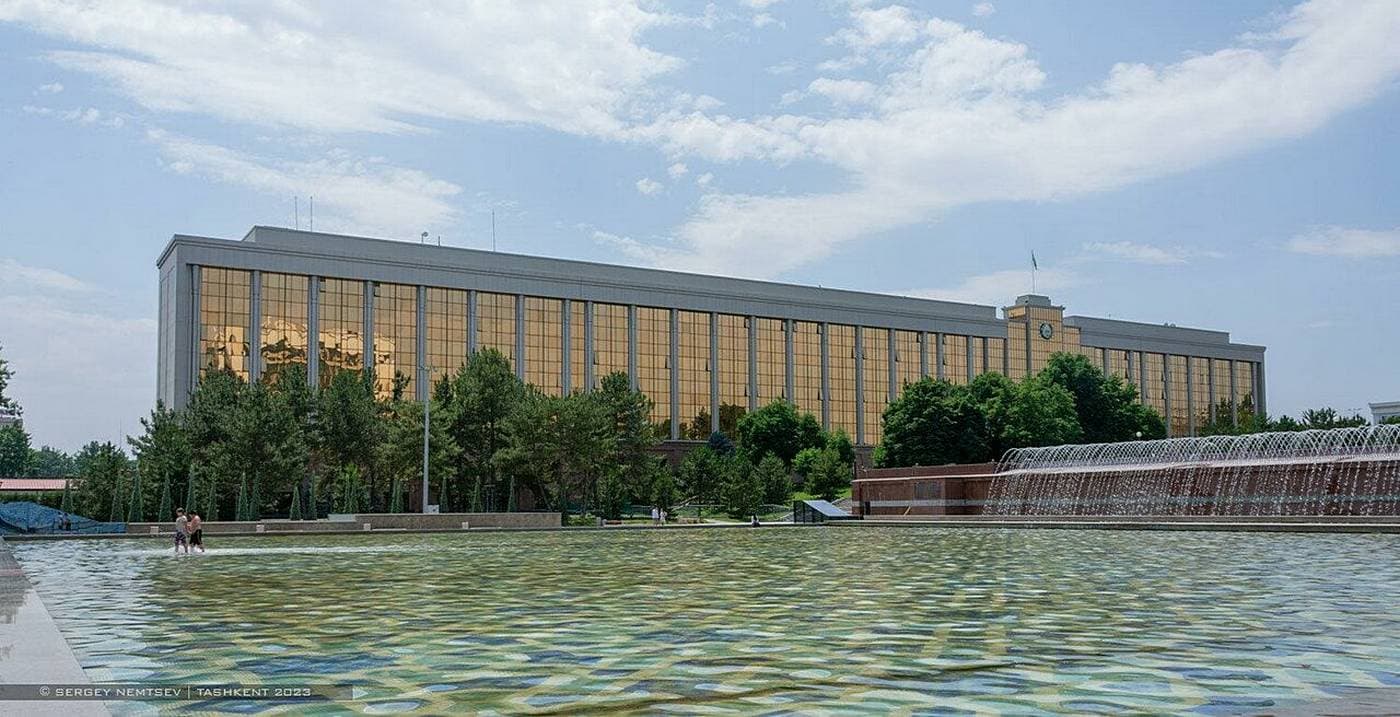
Mustaqillik Square acquired its main features after the 1966 earthquake, when the former Red Square...