
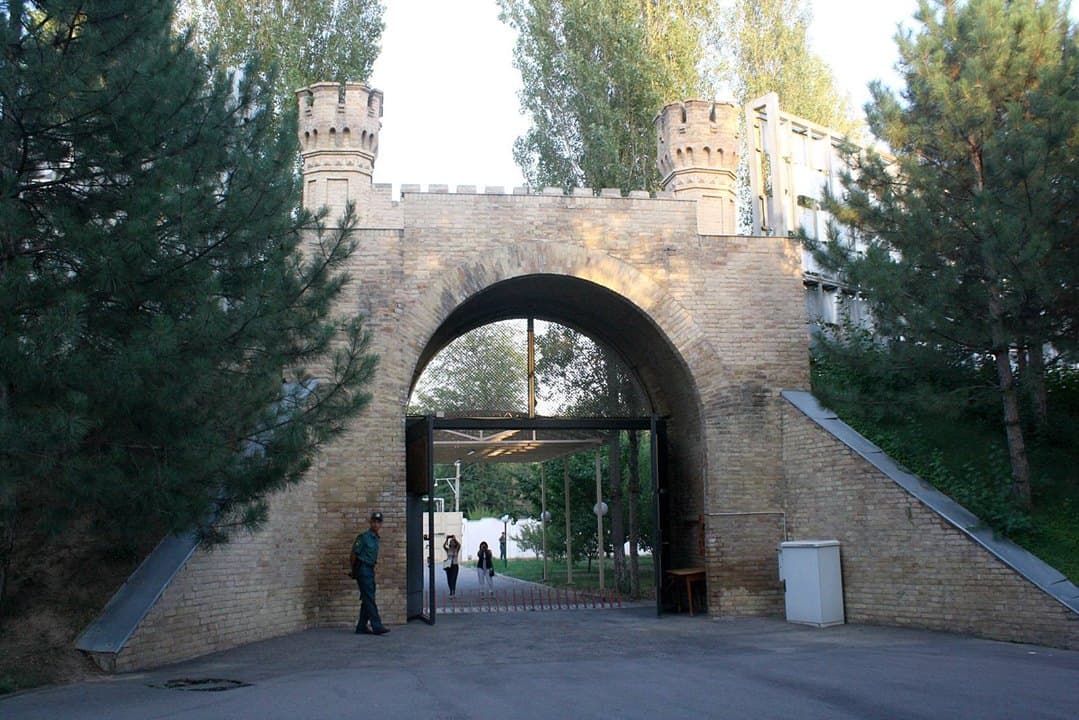
In 1865, a military fortress was built on the left bank of the Anhor, near the Qaytmas Gate. Surrounded by high earth mounds and fragments of brick walls, the fortress could be entered through three gates. The main one — the eastern gate, the most beautiful — has been preserved to this day and is one of the capital’s tourist attractions.
In
the 1970s, the former fortress territory became home to the “Pioneer” park,
featuring amusement rides and a cinema. Children who strolled here would
inevitably climb the preserved gates.
In
the 1990s, the First President’s residence, Oqsaroy, was built on the site of
the park. Now, this area is the “Islam Karimov Scientific and Educational
Memorial Complex,” where visitors can view a photo exhibition and paintings
dedicated to the First President, stroll through a beautiful garden, and
photograph those eastern gates.
By
the way, it’s also possible to approach the gates from the outside — by passing
through the nine-story buildings leading to the avenue known among locals as
the “Blue Domes.”
As
we examine the gates, we forget their military purpose. Their ornate brickwork,
characteristic of “Russian Turkestan” buildings, gives them a beautiful and
almost mythical appearance.
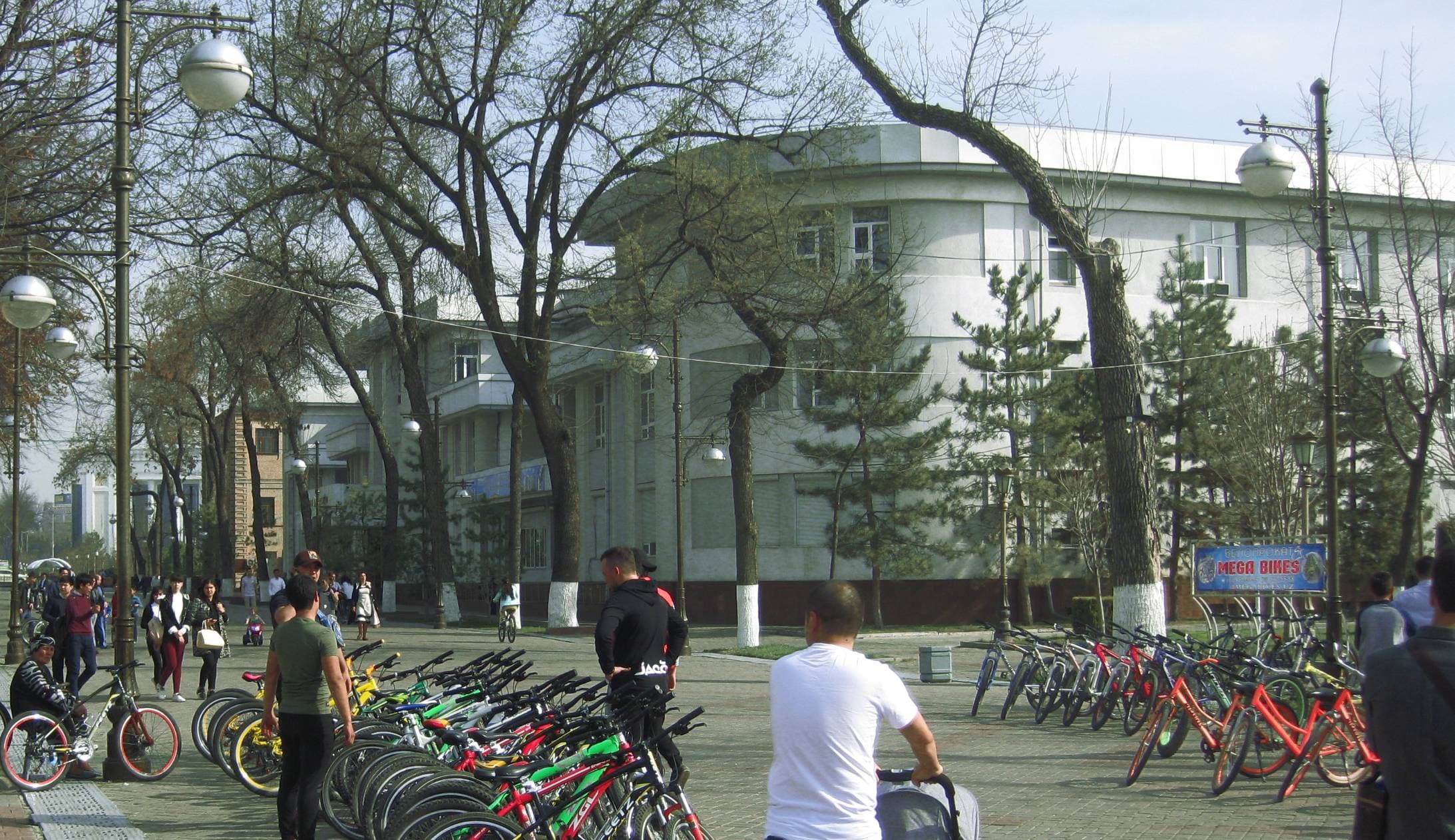
The well-known building on Broadway (Sayilgoh Street) in Tashkent, which now houses the Ministry of...
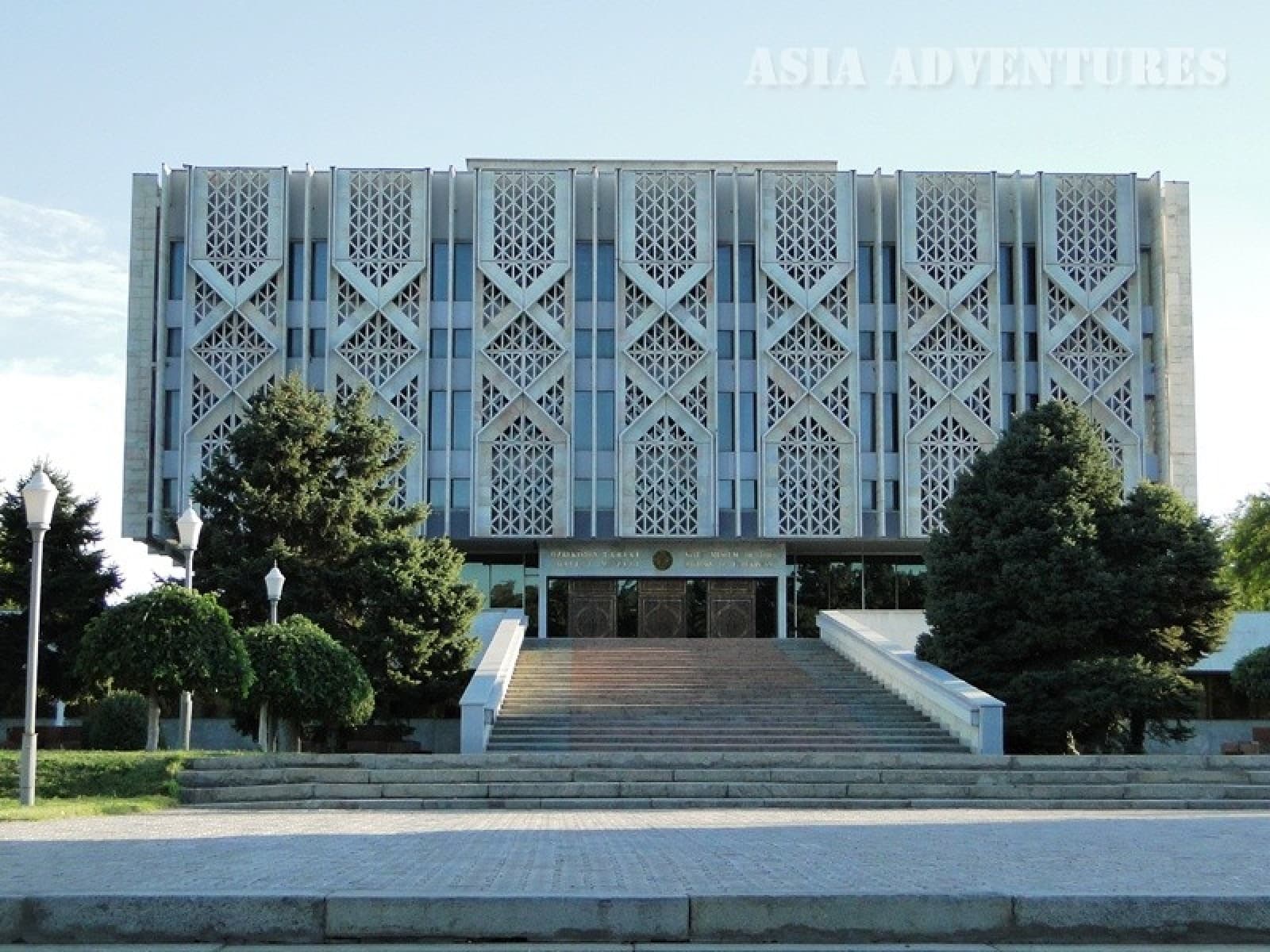
The State Museum of History of Uzbekistan is housed in one of Tashkent’s most beautiful buildings —...
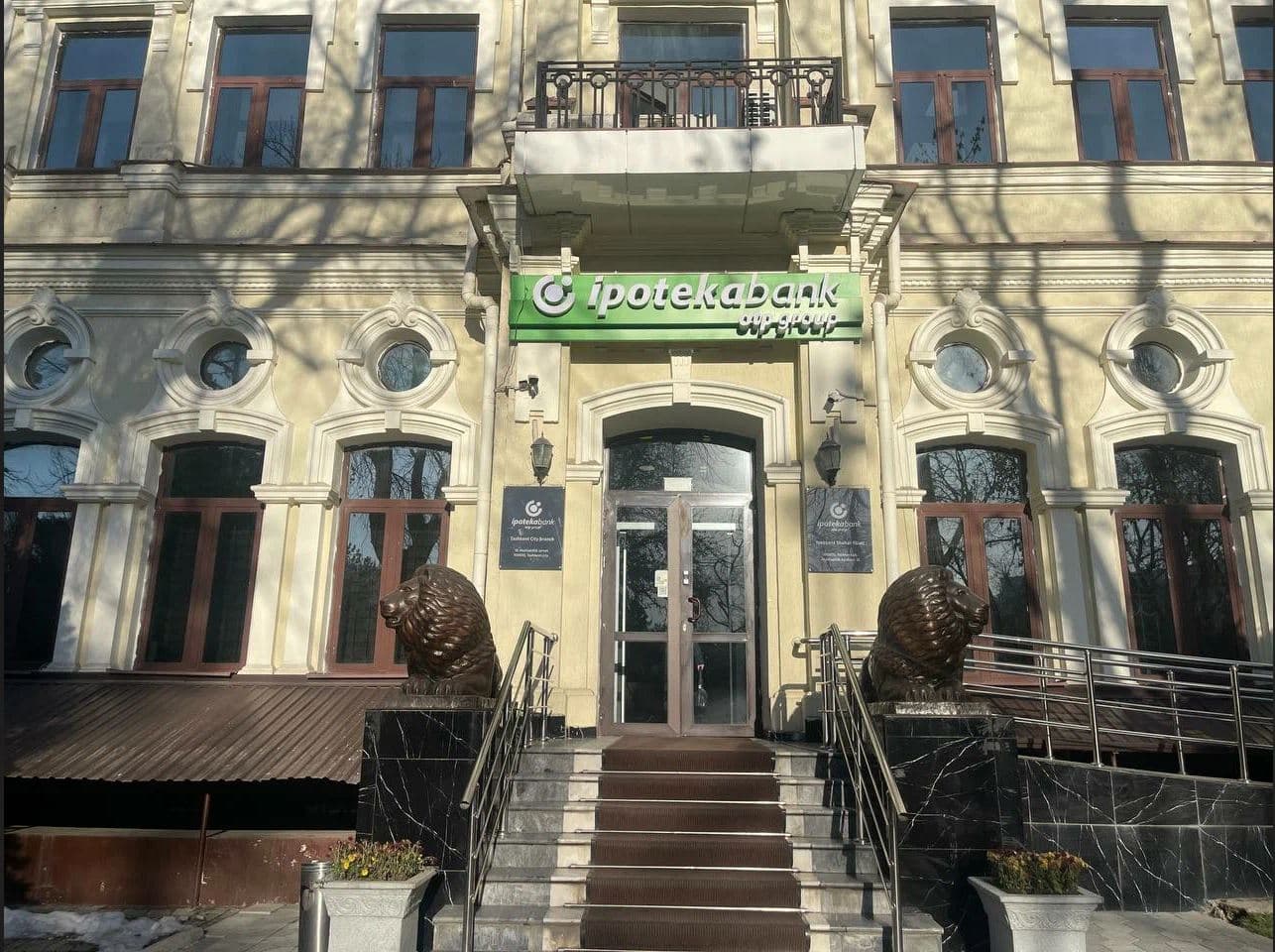
The botanist and pharmacist Hieronymus Ivanovich Krause arrived in Tashkent in 1870 and began worki...
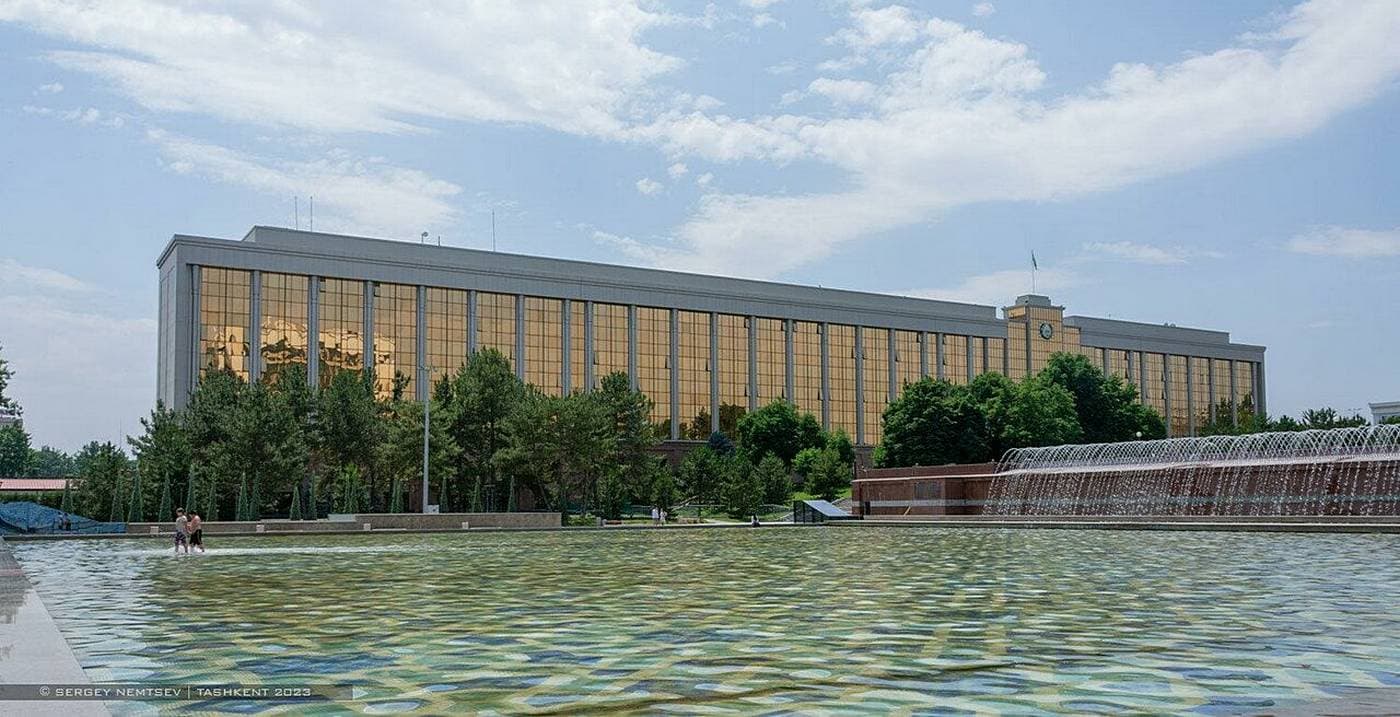
Mustaqillik Square acquired its main features after the 1966 earthquake, when the former Red Square...